Making Architecture: Performance Hall Design
PROJECT INFORMATION: DESIGN STUDIO- PROJECT THREE

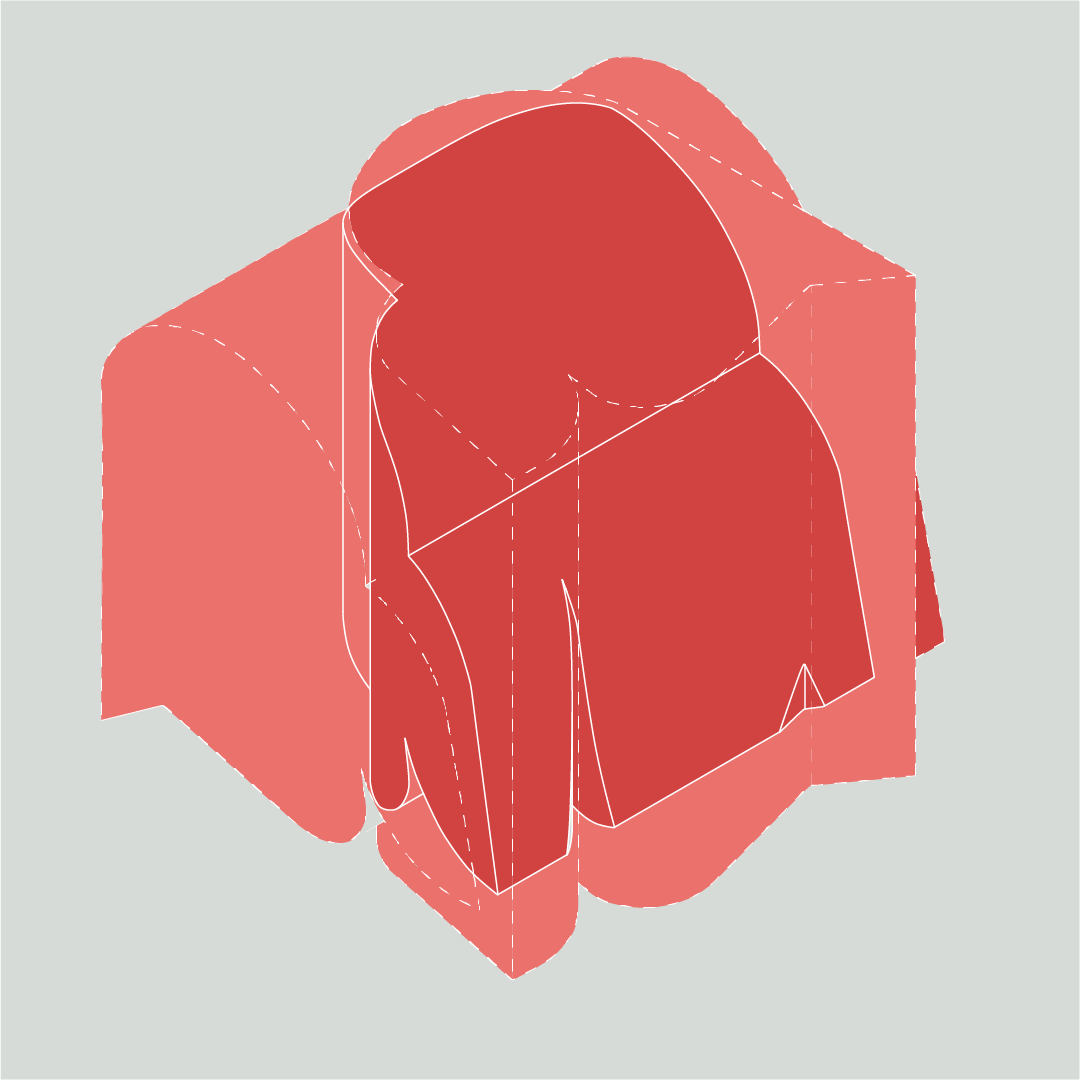
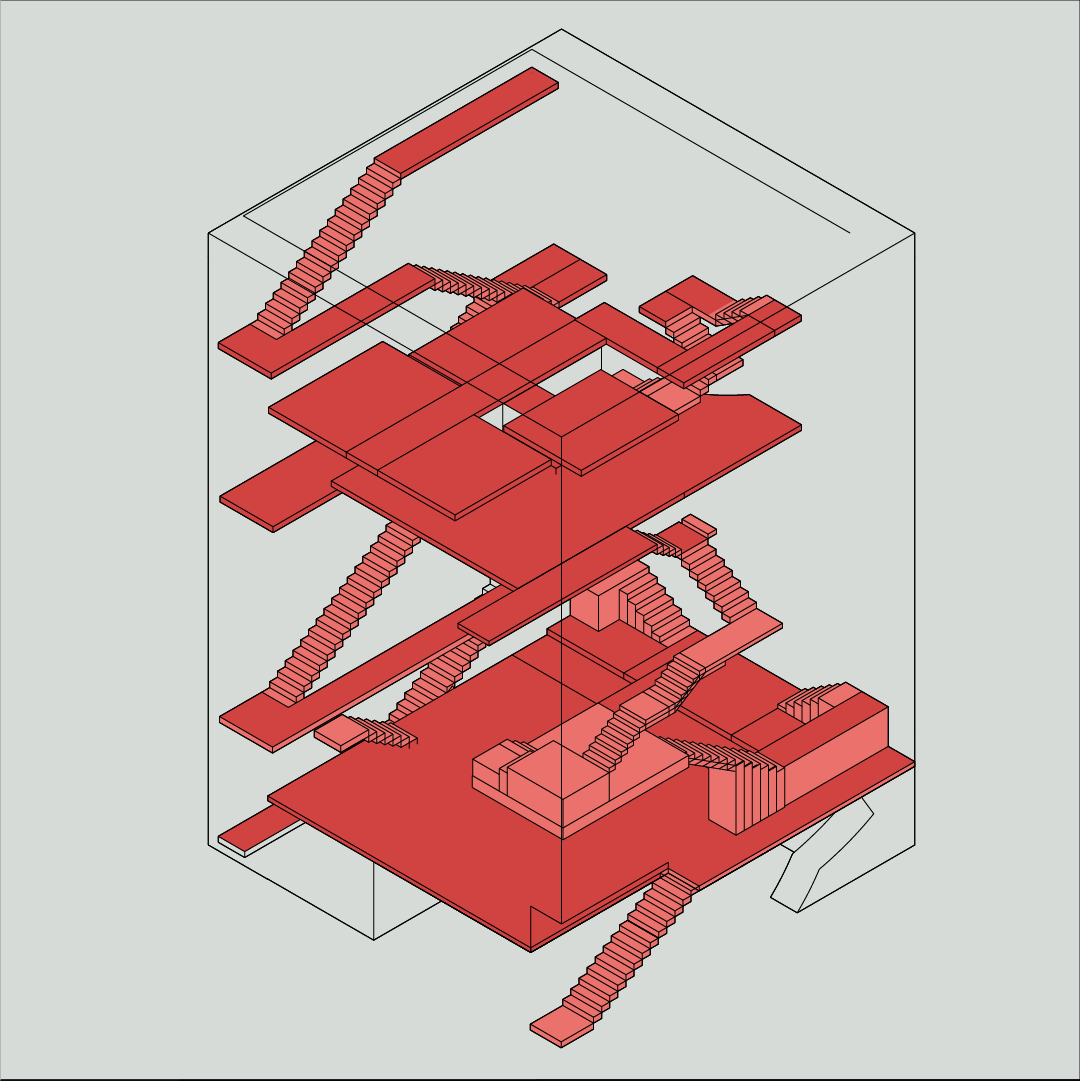
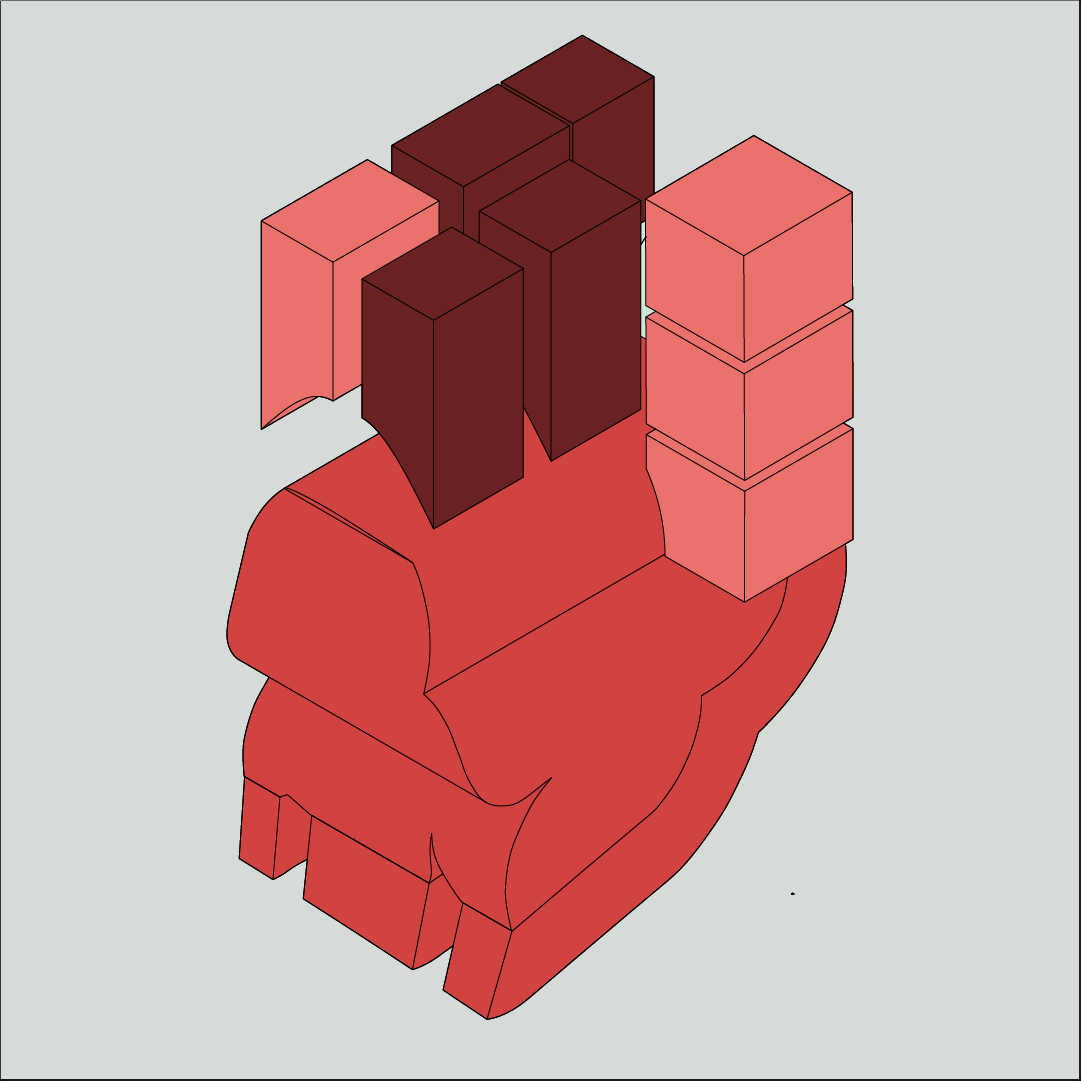
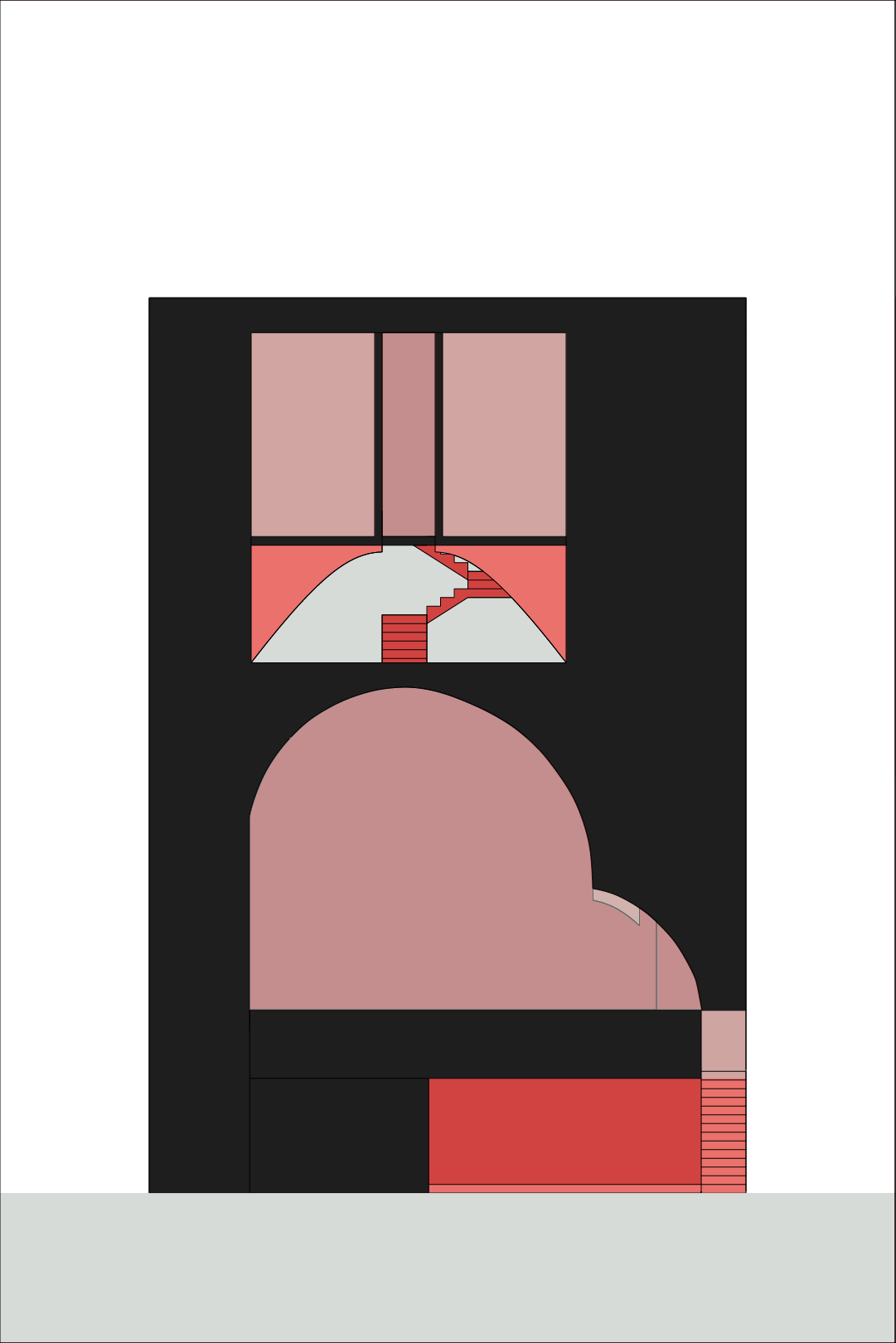
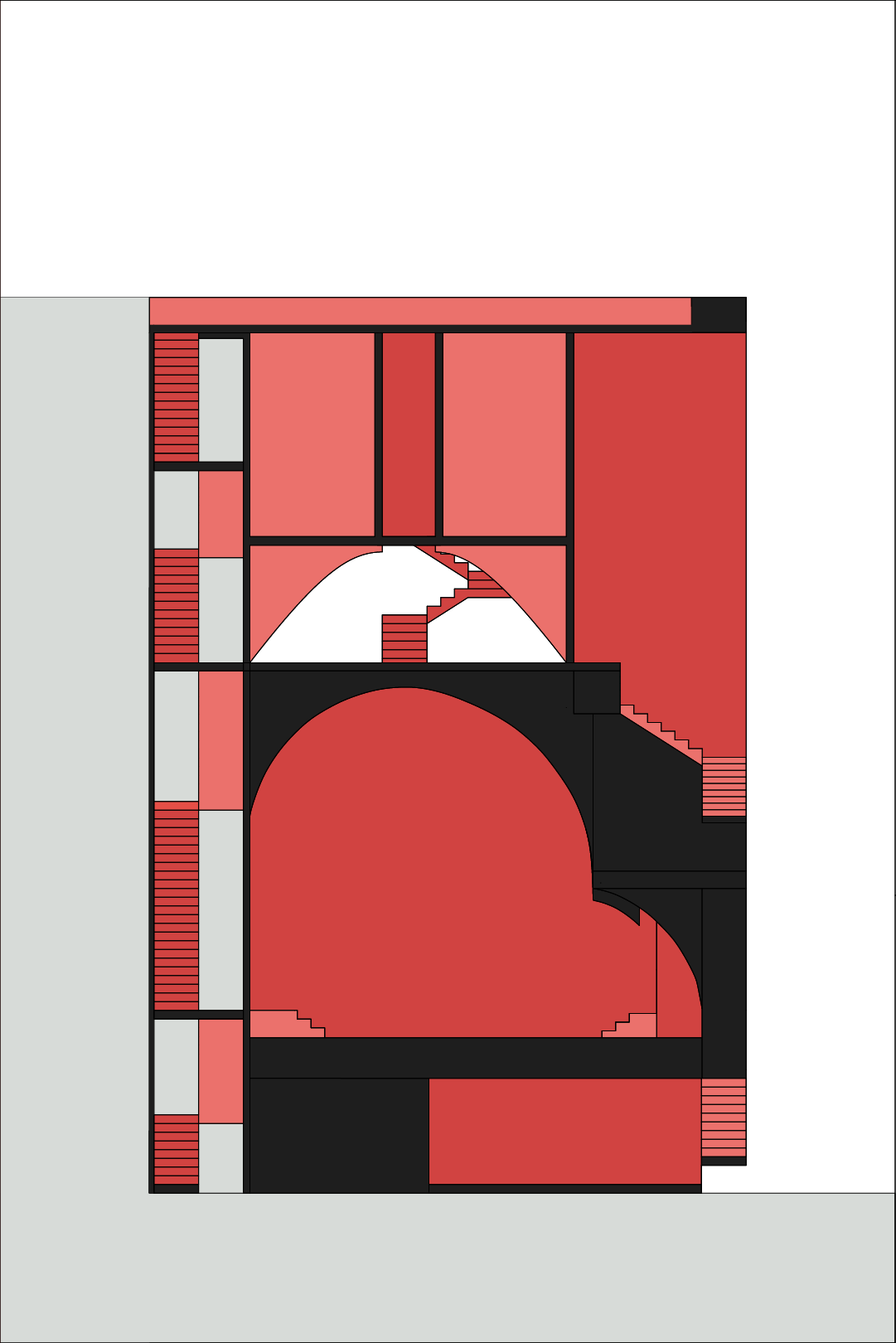
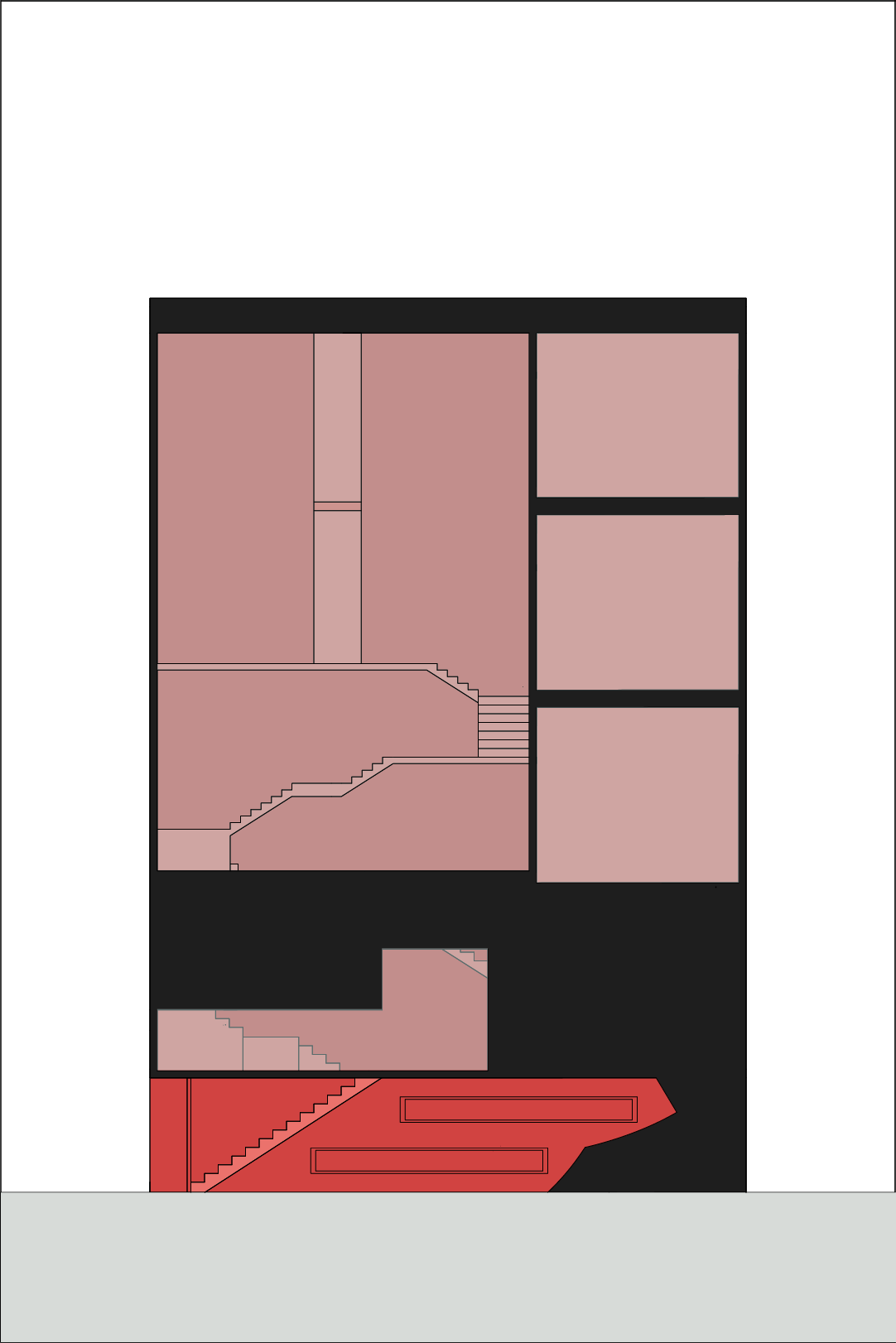
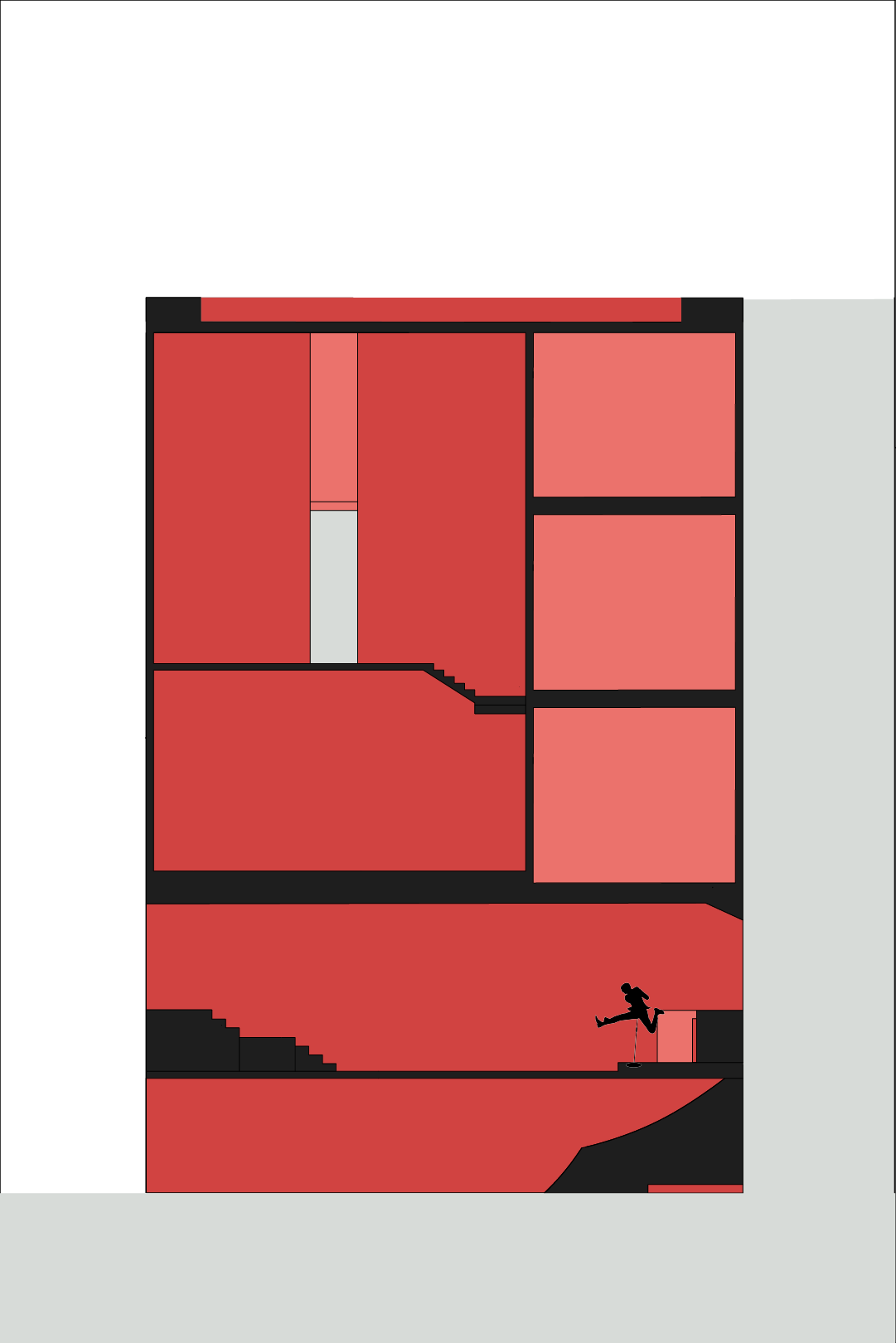
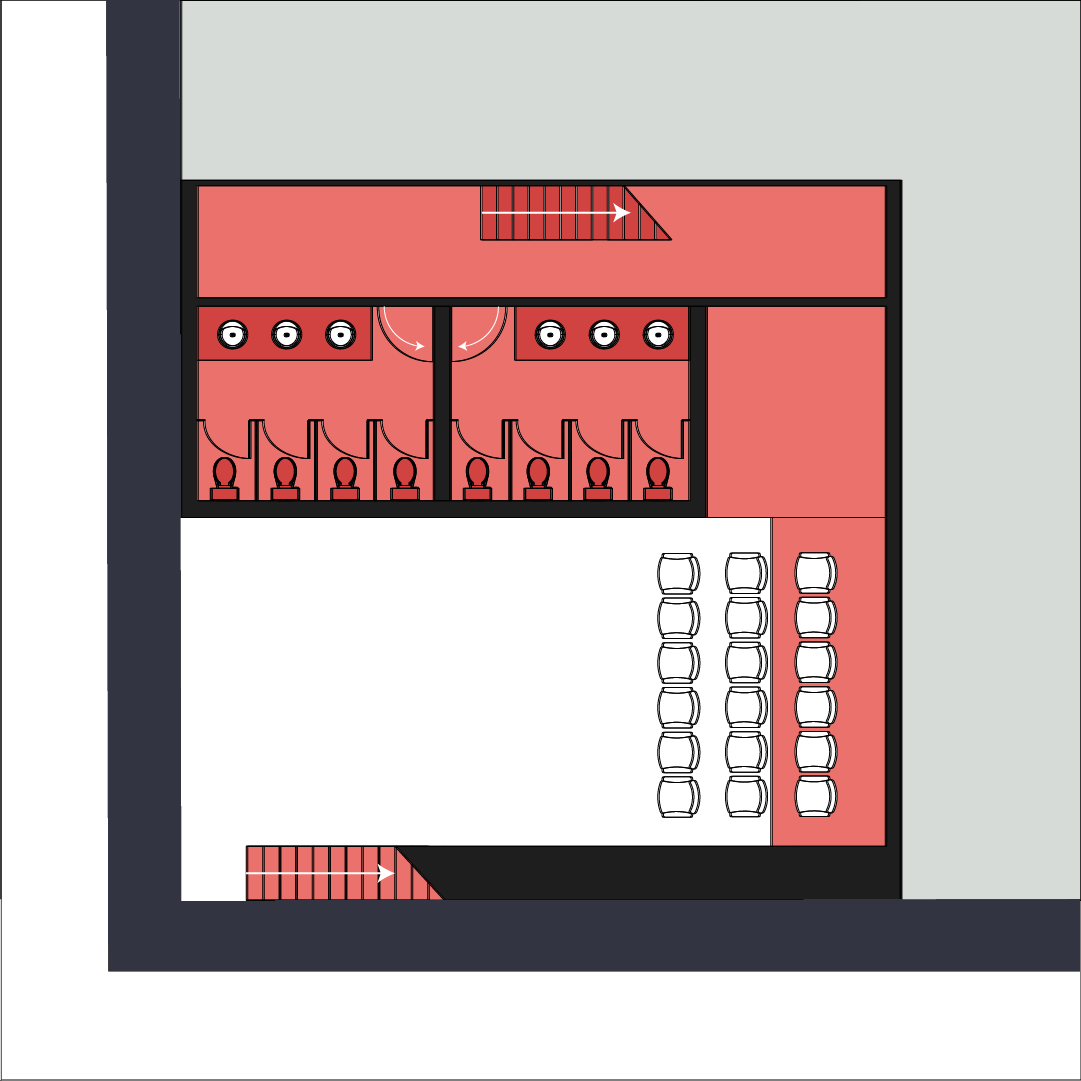
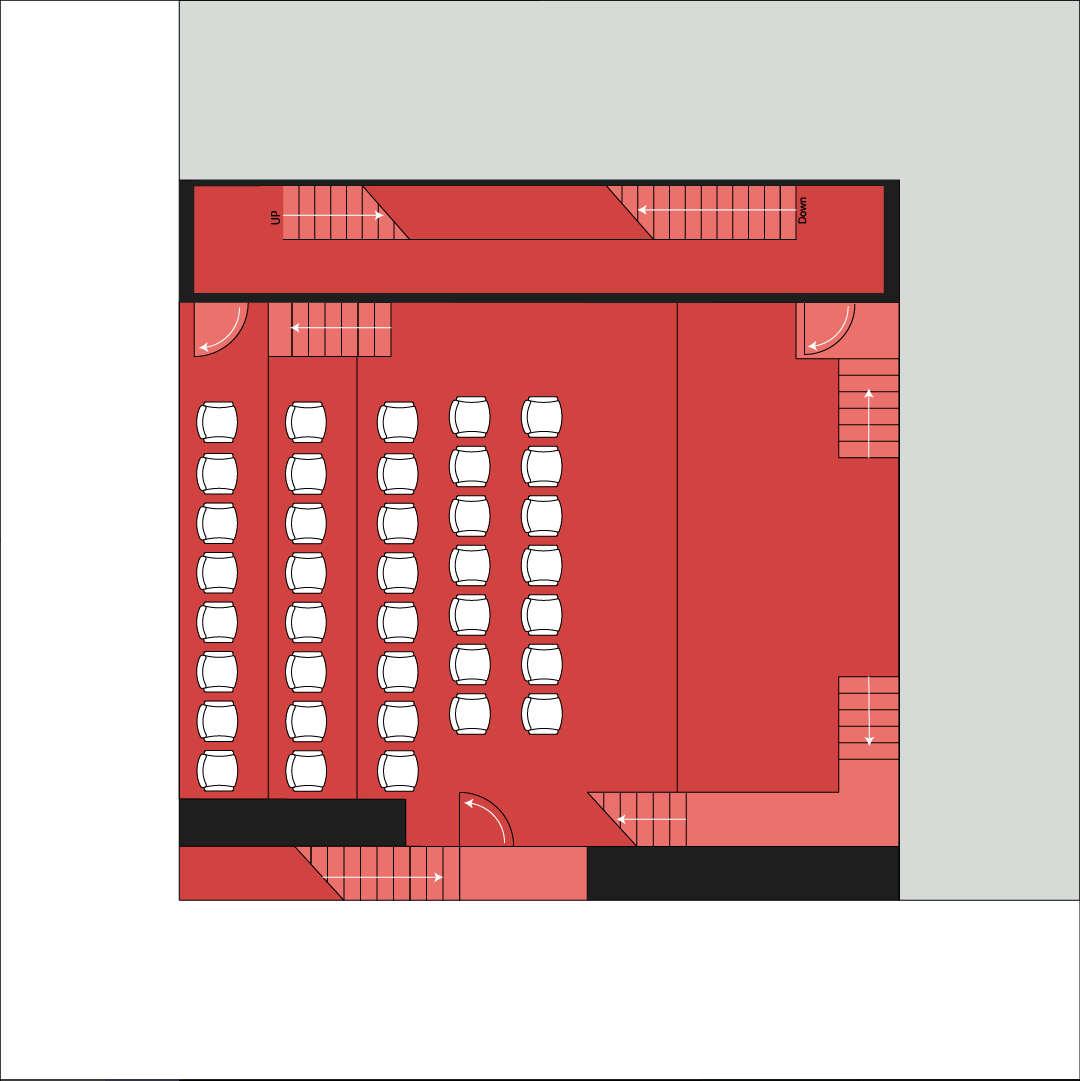
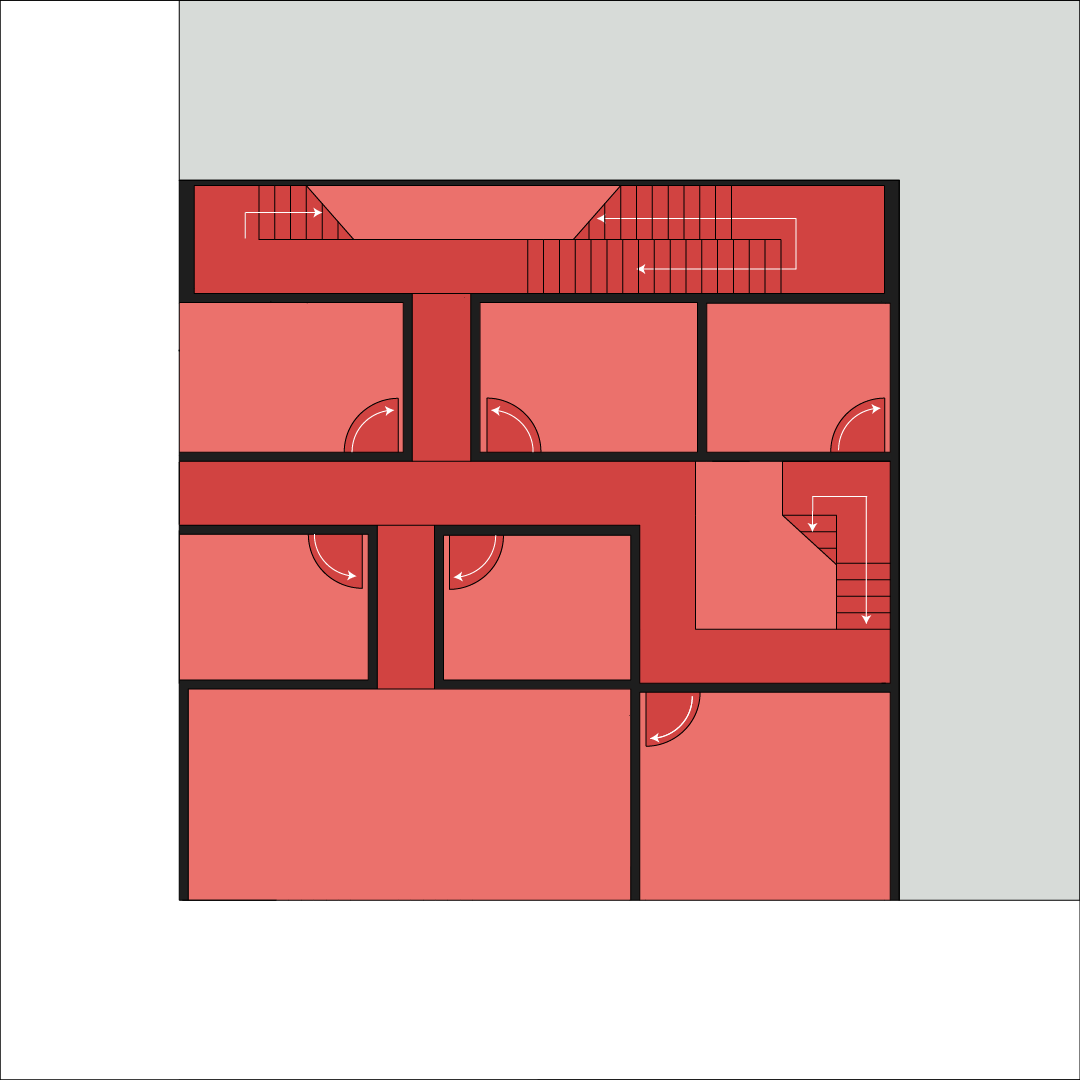
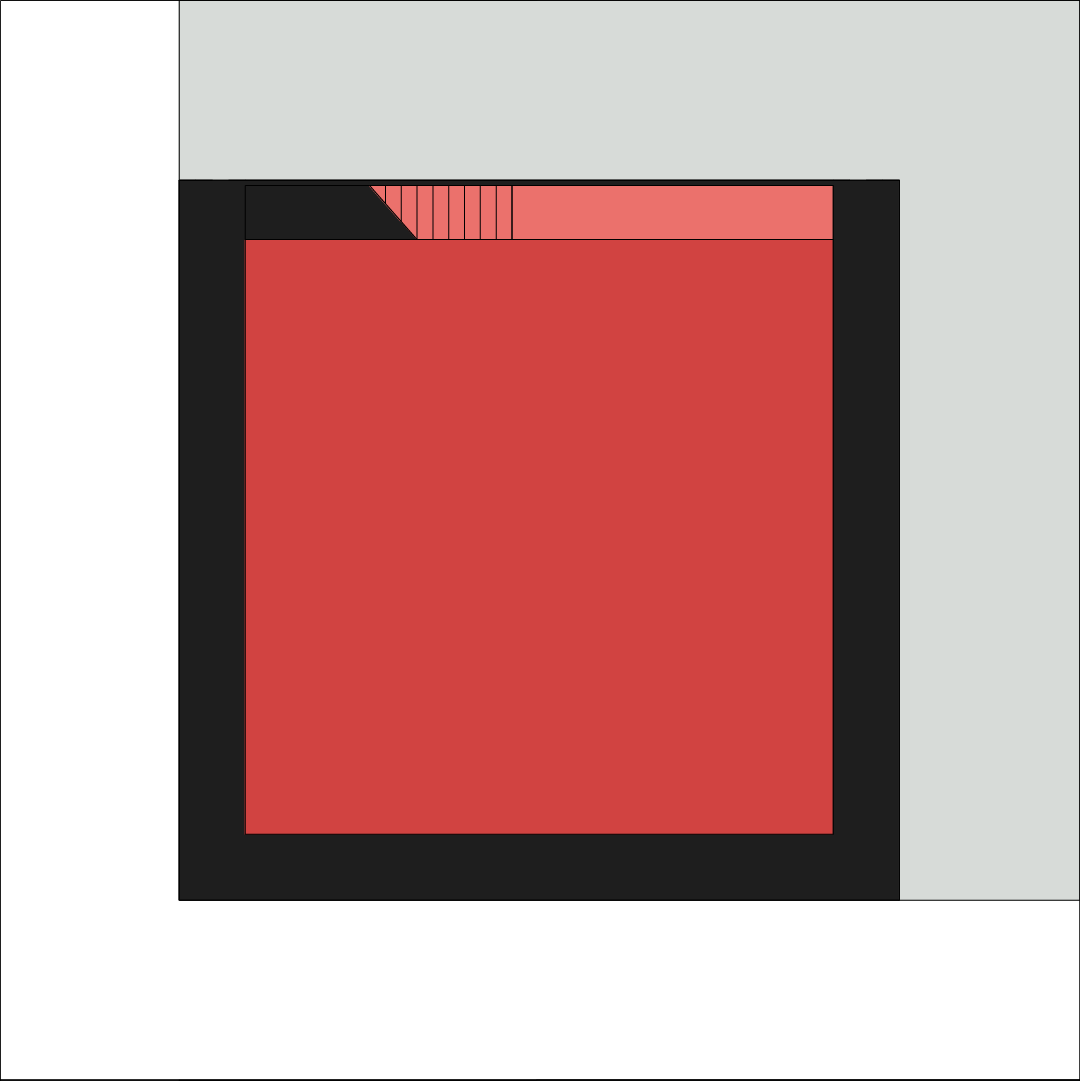
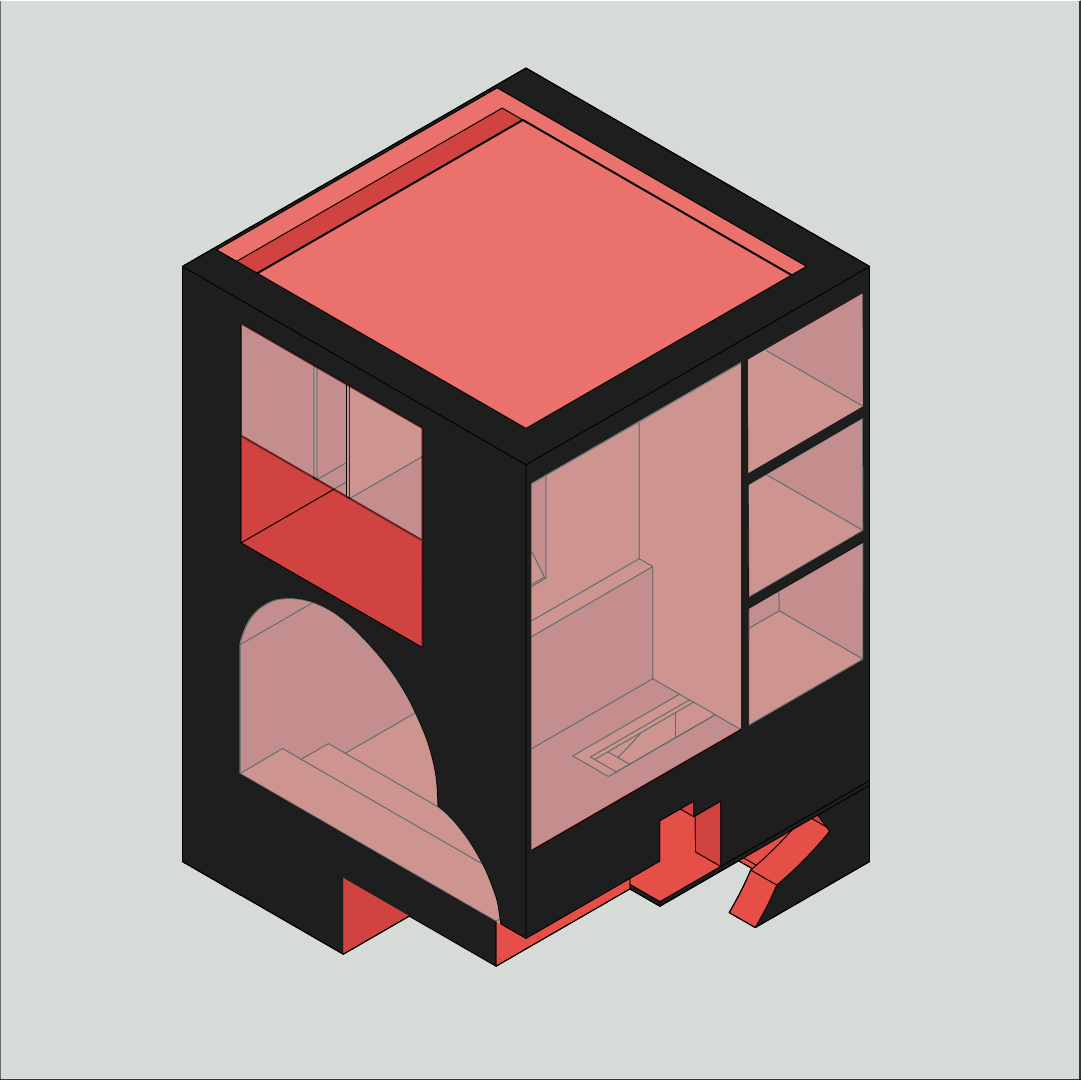
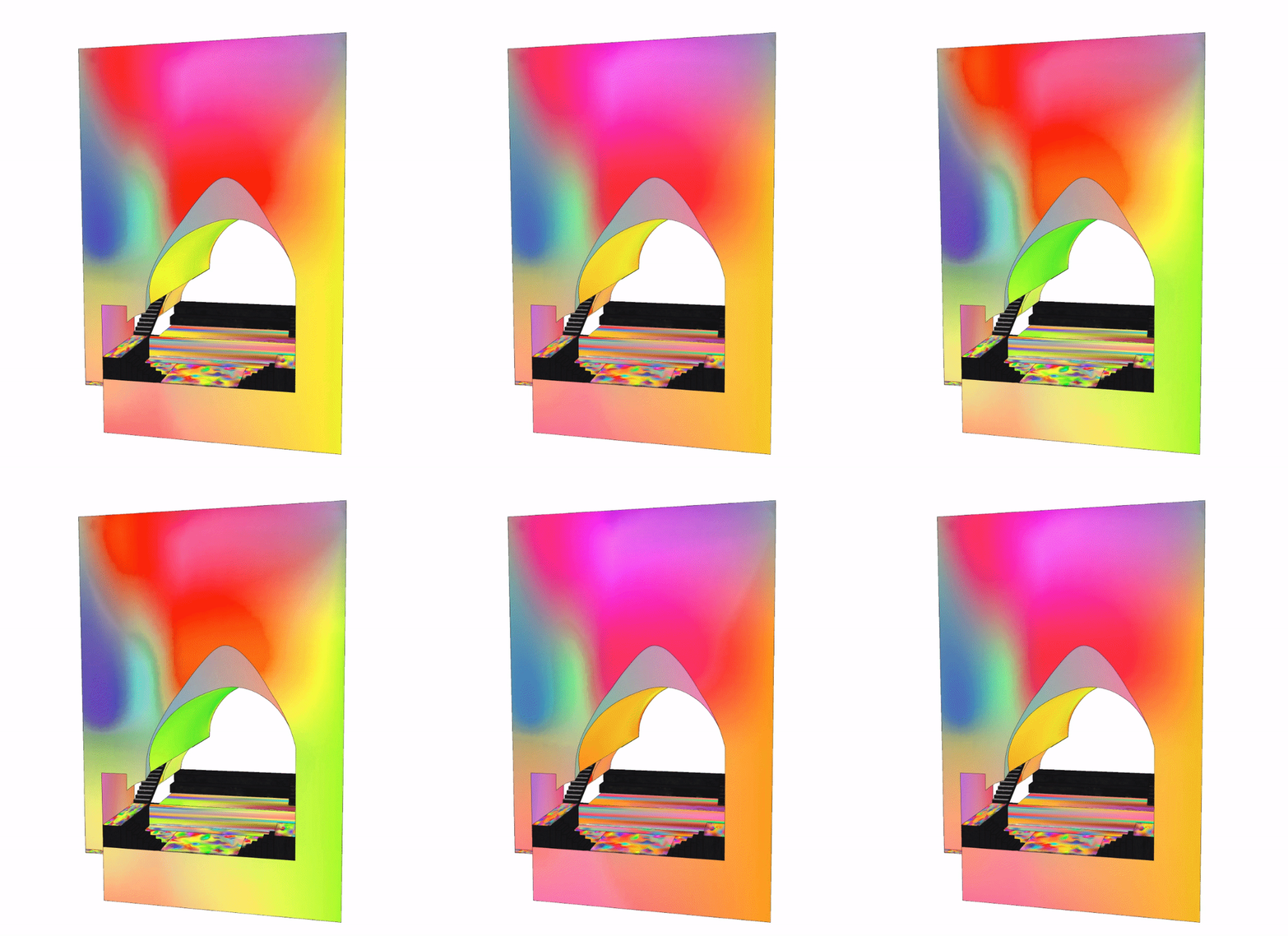
The idea for this assignment was to take what we learned in the previous two projects and implement those learned skills and topics in the design of a building located in an urban setting. This project encouraged conceptual and critical approaches to making, analyzing, and speculating on unforeseen possibilities for architecture. While the primary focus was on form, space and order, we were also asked to expand our conceptual registers in relation to program, degrees of privacy and publicness, circulation and access, as well as site.
The process for design and creation of space was specific. In the beginning of the design process we started with three shapes that we combined together to create one solid shape (first photo). I then took that shape and extruded it in rhino making it a solid object. From there I copied that shape and rotated the copy 180 degrees to where it would intersect with the original (photo two). The intersection of these two shapes created my performance hall space. This process was done in a 10 minute period in class. The idea was for us to not design the performance space but let it happen through ambiguity. Where we got to take control was on the rest of the building design process. Our building could be formed from one of three strategies provided. The first strategy was to aggregate the practice rooms as a block and position them as either a plinth (under), frame (next to), or cap (on top) adjacent to the performance space. The second strategy was to distribute the practice spaces around the performance space and imagine all of these spaces as if they were subtracted from a 40’x40’x60’ block which is the dimension of our provided site. The dominant reading of this strategy would be that of a cube or block. The third strategy was called the blob strategy. This entailed offsetting a copy of the volume of your performance space and growing it much larger so that it encased the original performance as well as the practice spaces.
I chose the block strategy. I wanted the exterior of the building to be as flat as possible so the wall surfaces on the interior and exterior could be used for projections. The idea was to create a space that could not only provide a performance on the interior of the space but also the outside. This was done through changing light and color paired with large windows and scenic outdoor spaces.